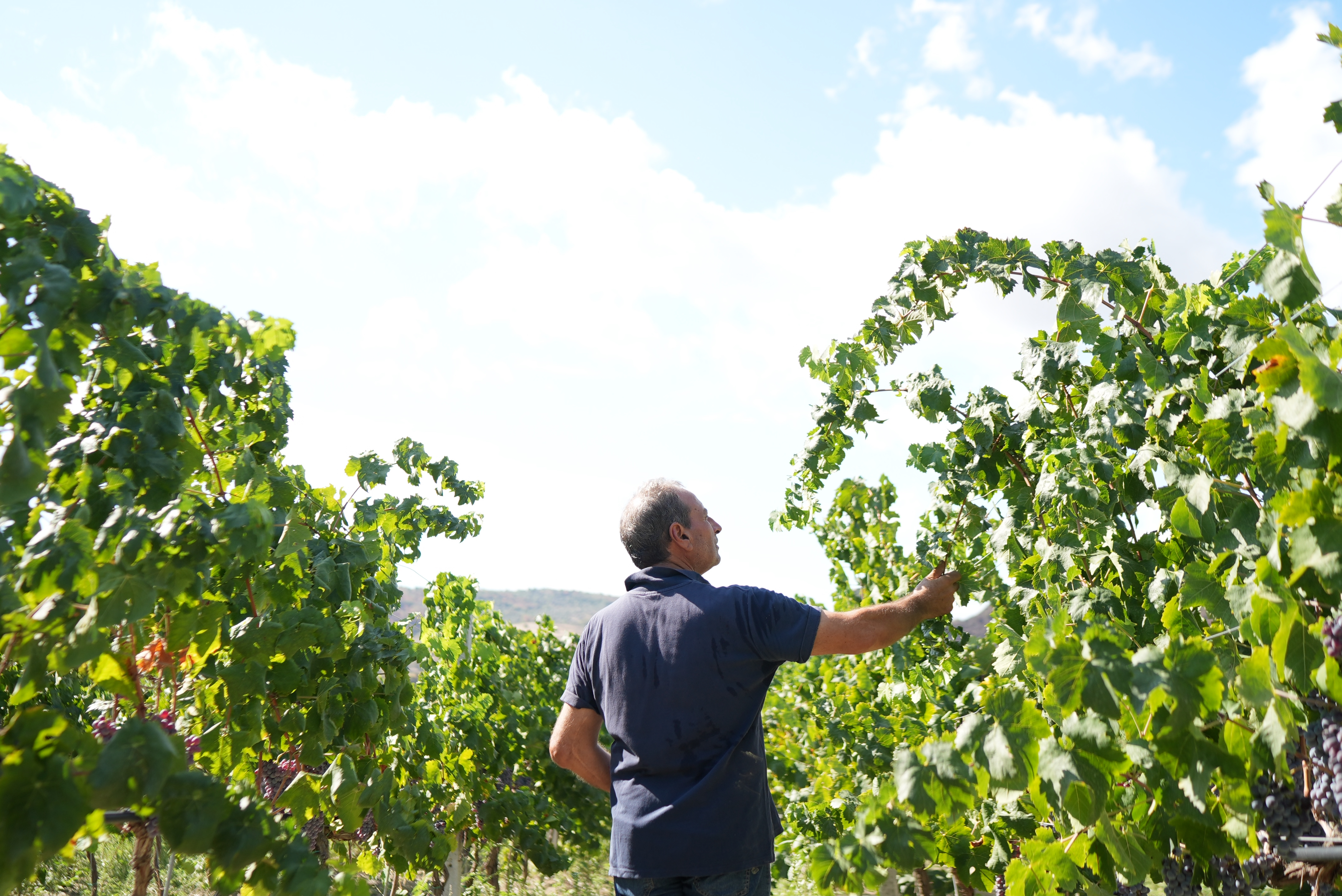
Vineyards
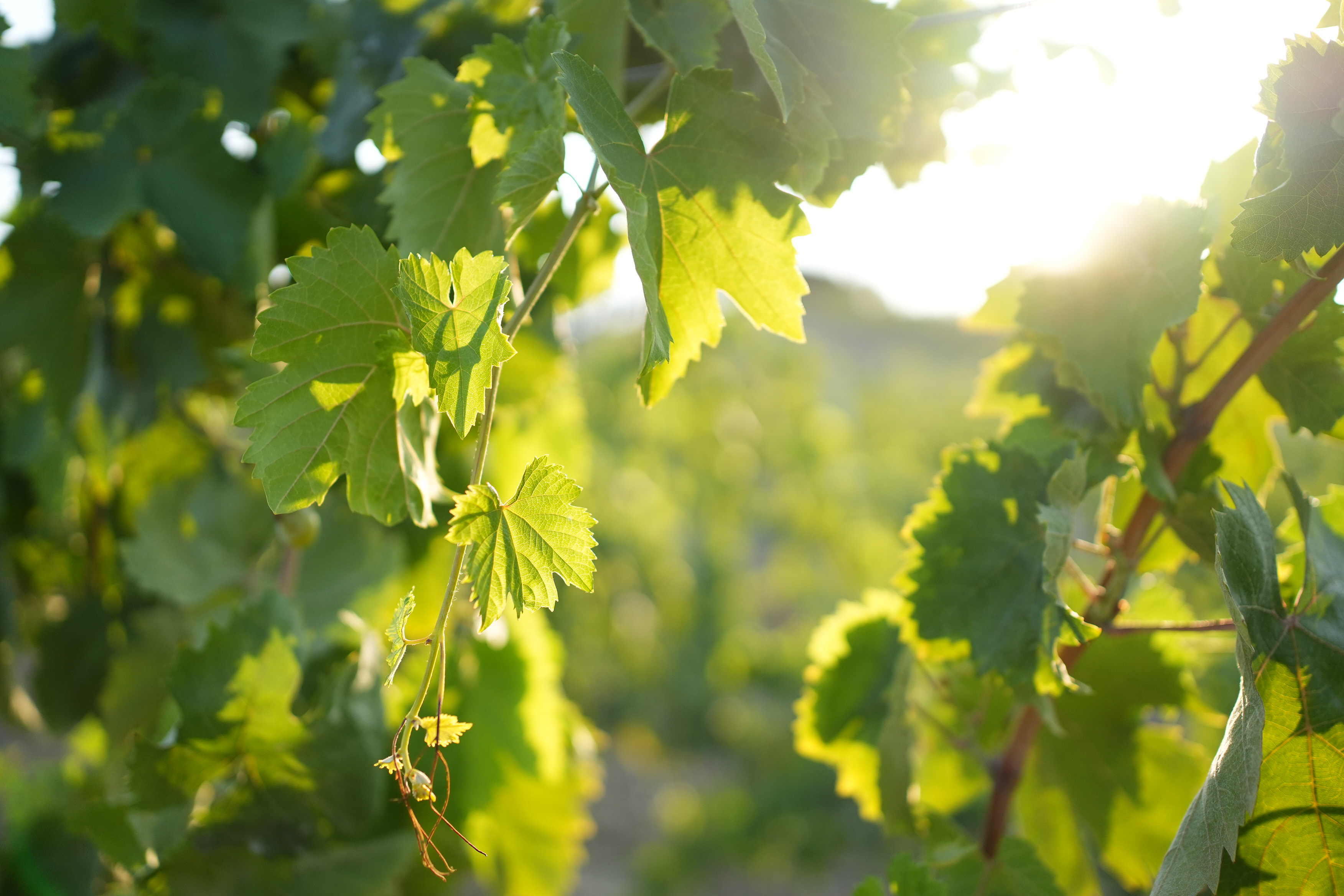
The environmental and cultivation conditions of vineyards used for Bivongi DOC wine production must be traditional to the area, or otherwise capable of giving the grapes and the wines made from them their specific quality characteristics.
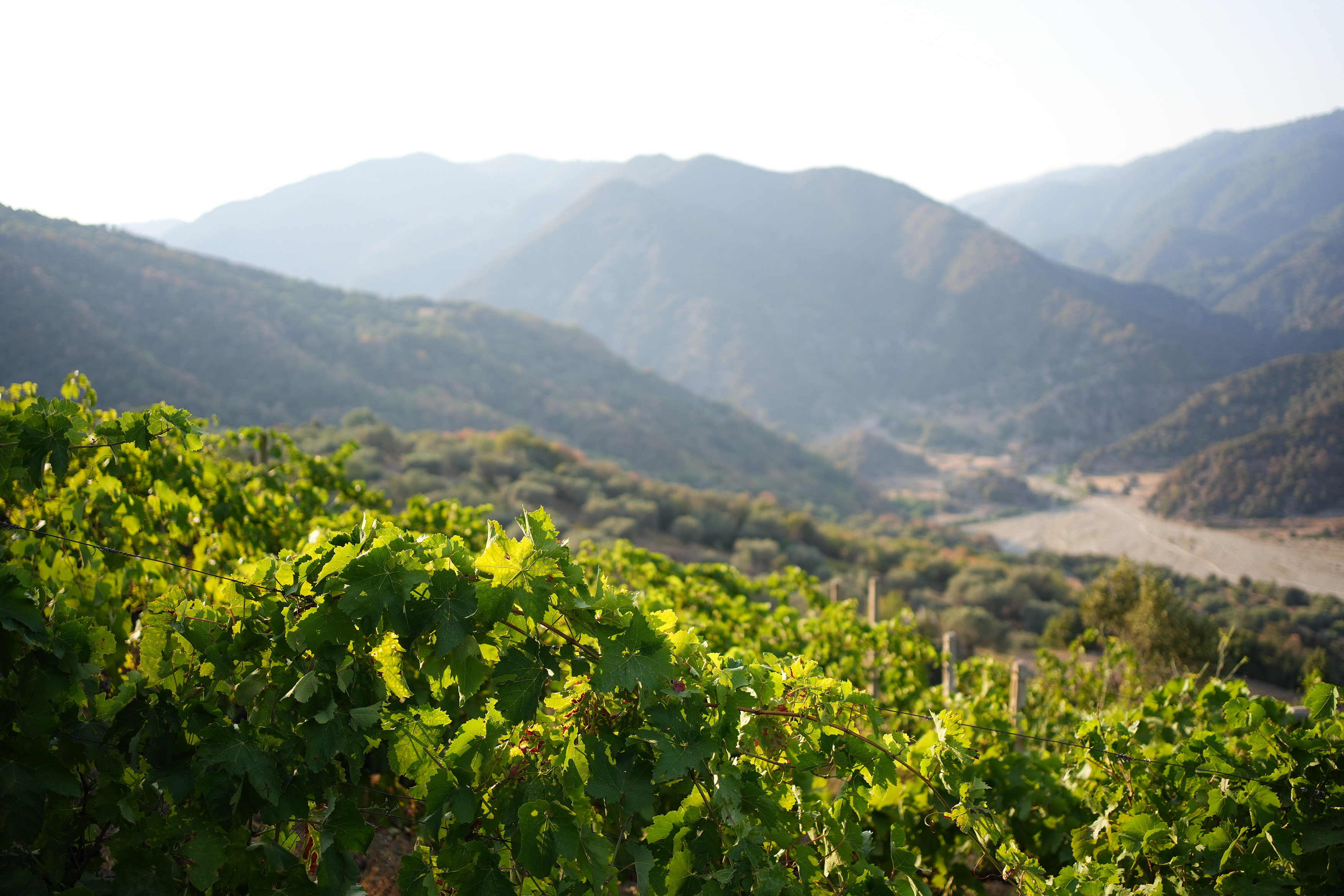
For registration in the vineyard register, only vineyards on well-exposed hillsides and foothills are considered suitable; valley floors and sites above 800 metres above sea level are excluded.
Planting densities, training systems—excluding expansive forms—and short, long or mixed pruning methods must be those generally used, or otherwise suitable for preserving the characteristics of the grapes and wines.
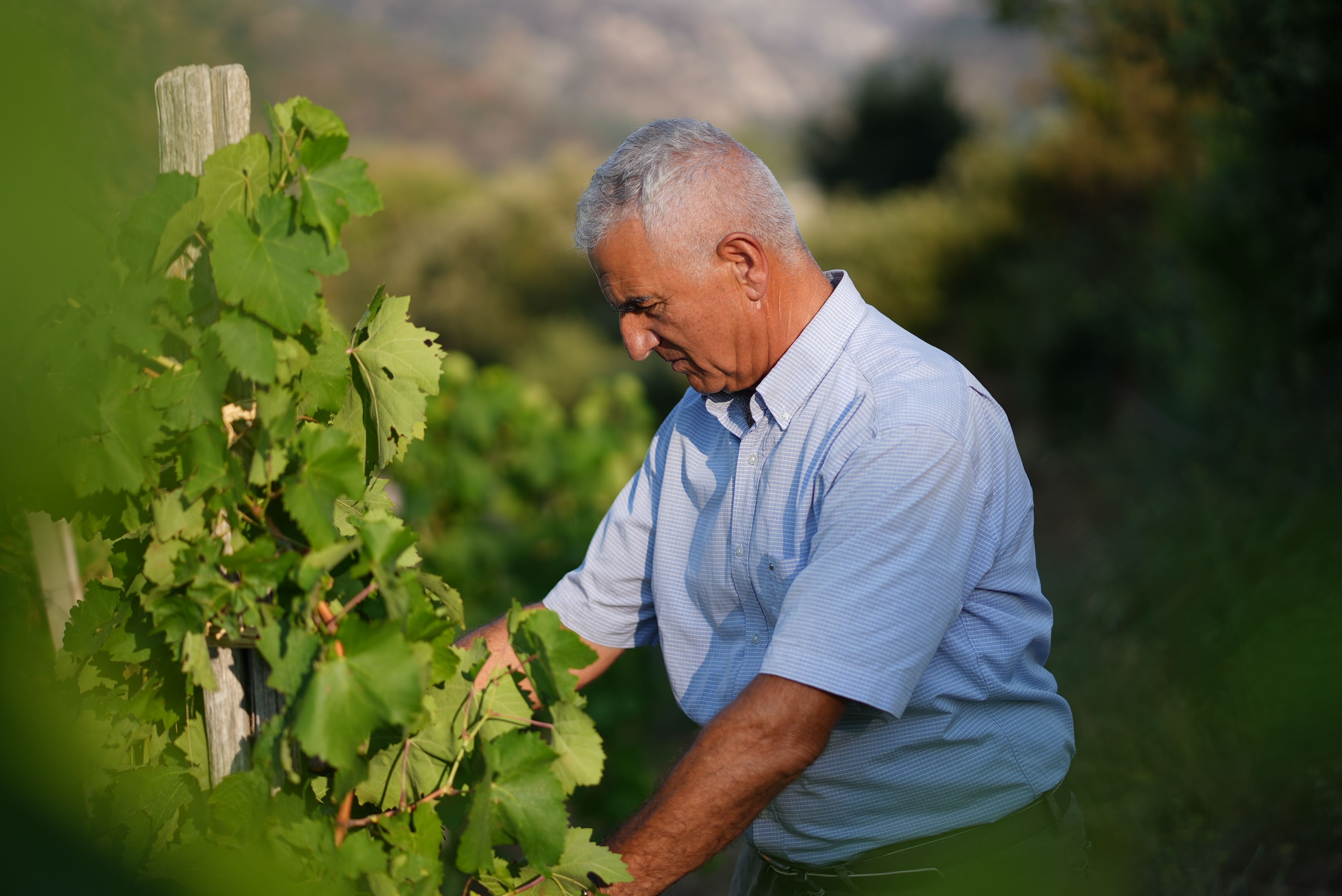
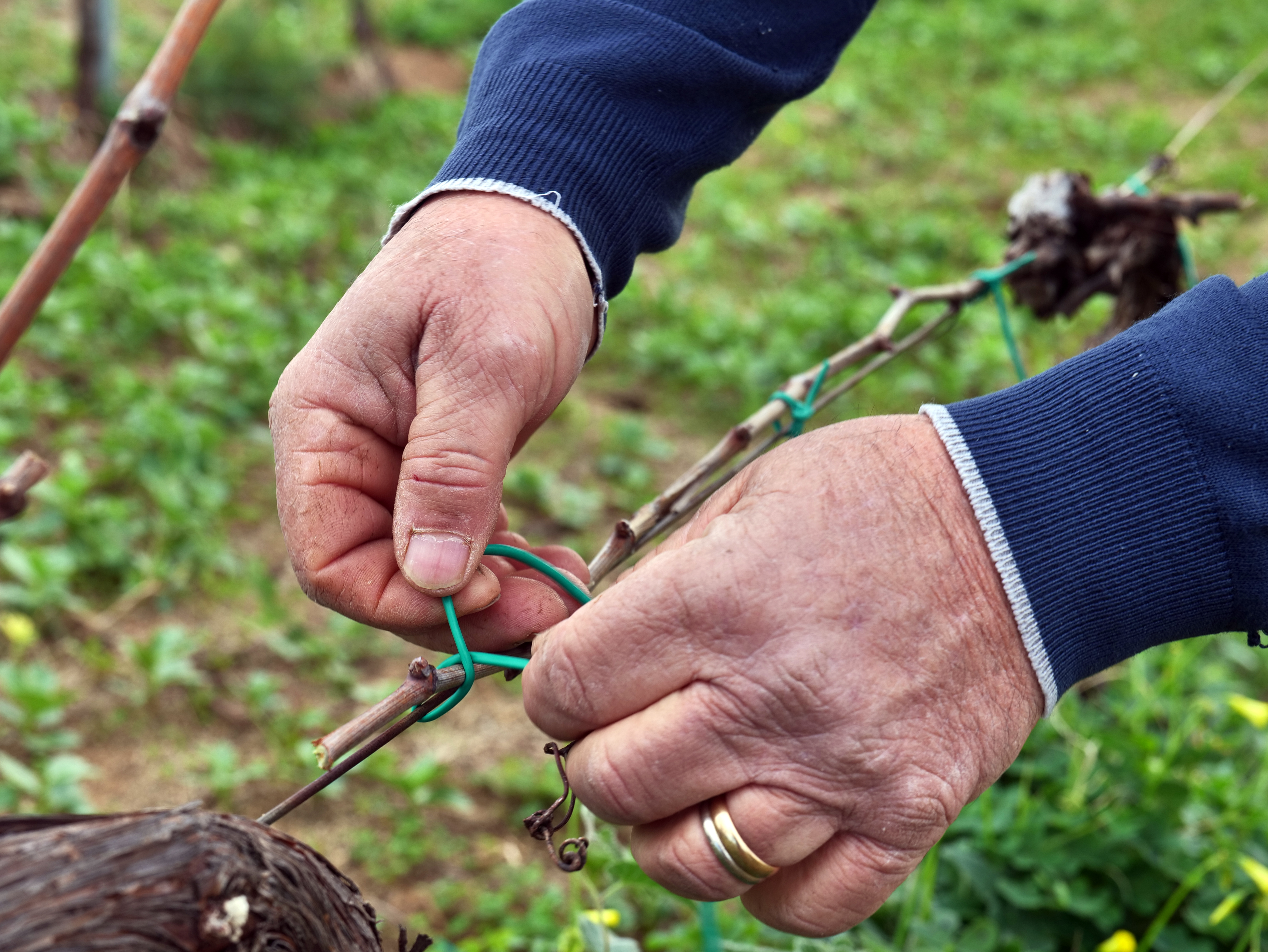
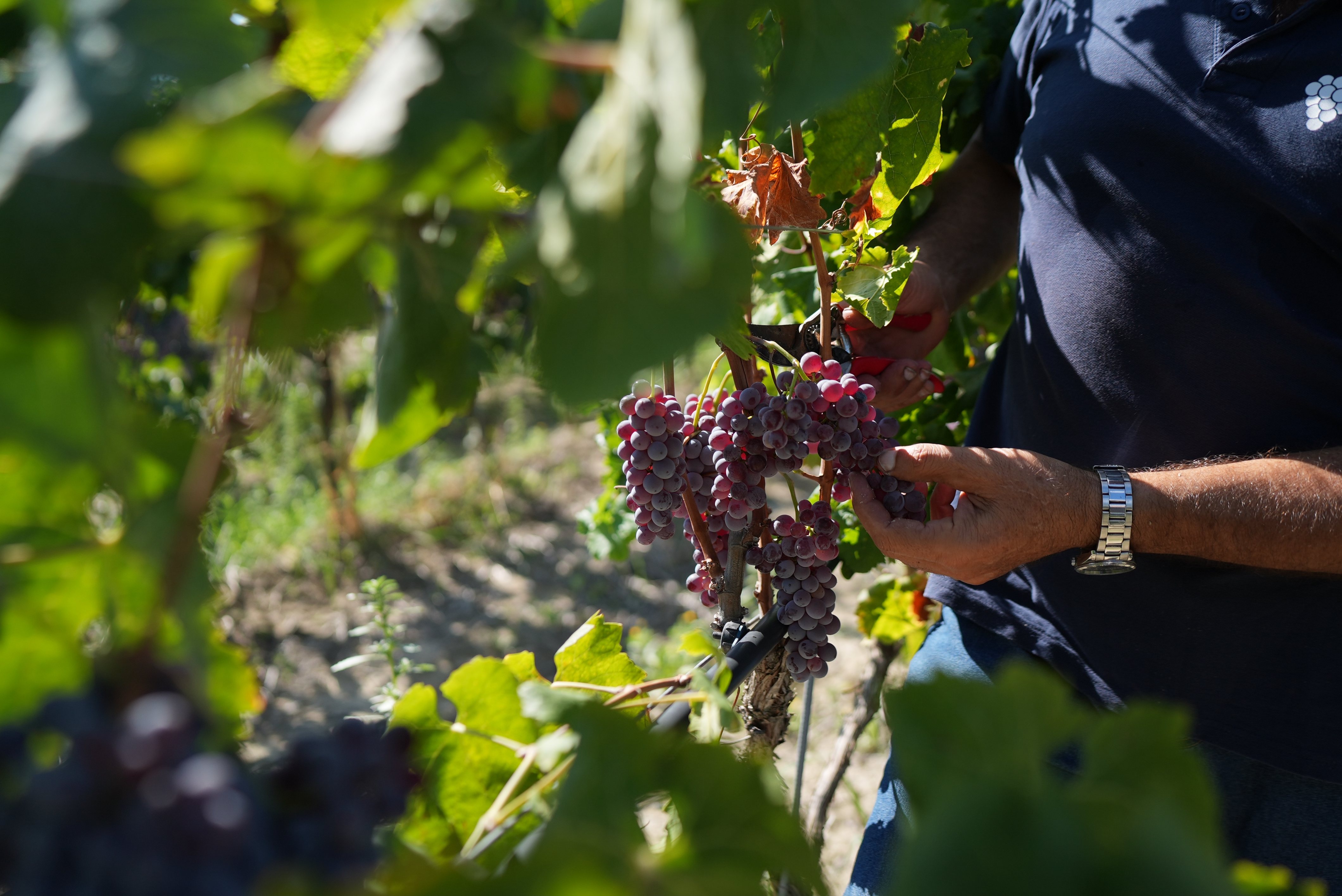
Lastly, cultivation follows principles of sustainability and low environmental impact. The vineyards are traditionally worked by hand, benefiting both wine quality and the protection of the landscape.
The vineyard
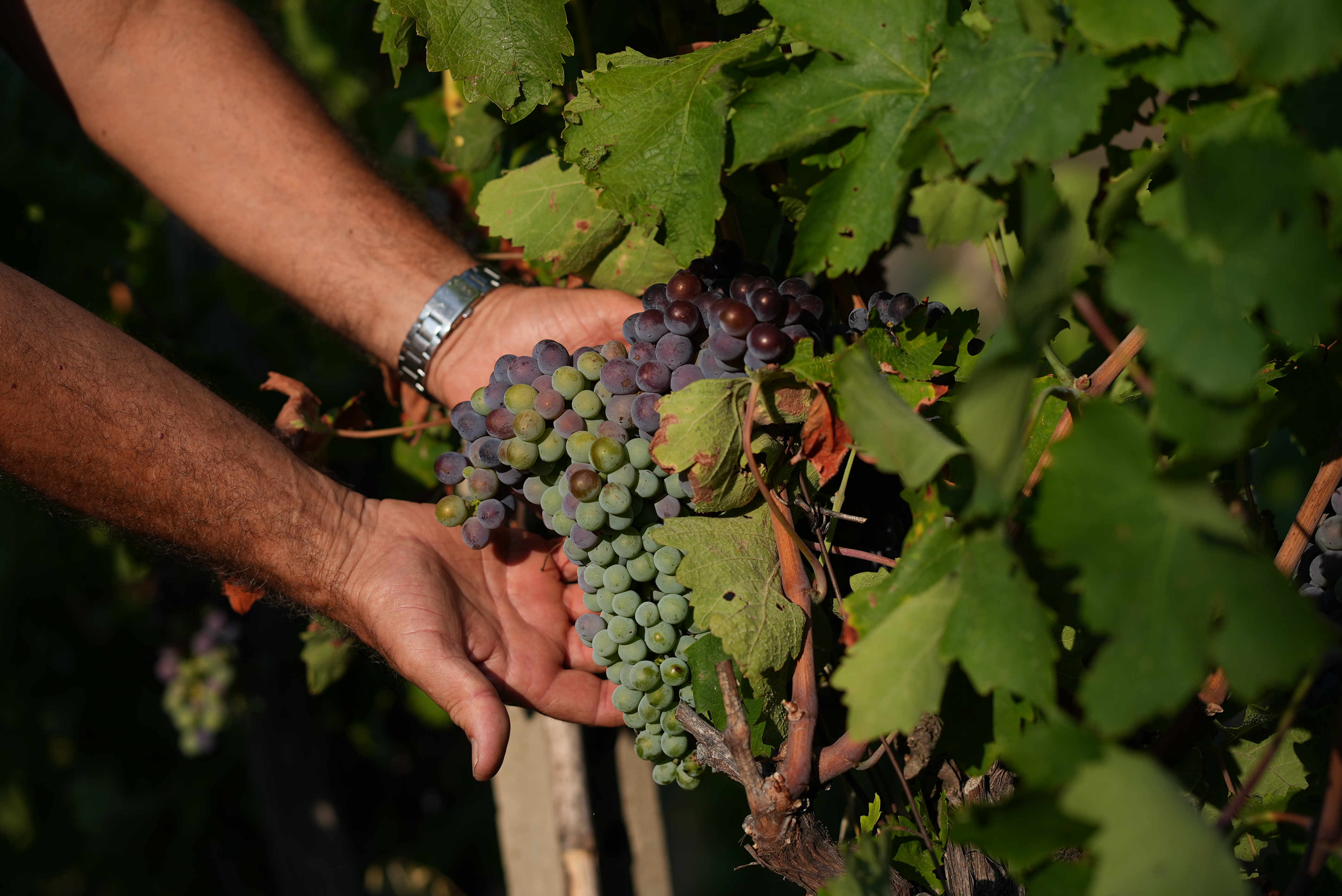
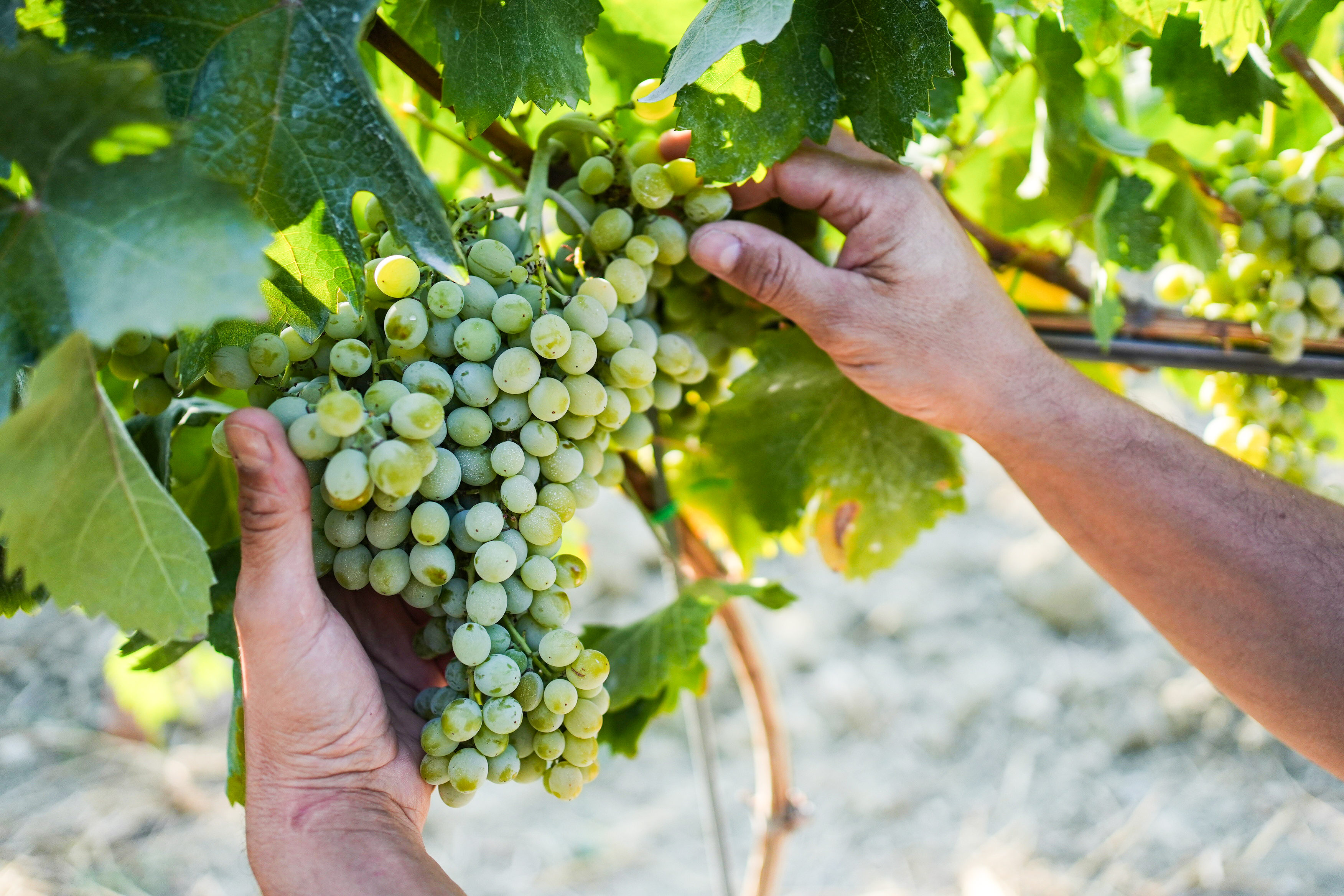
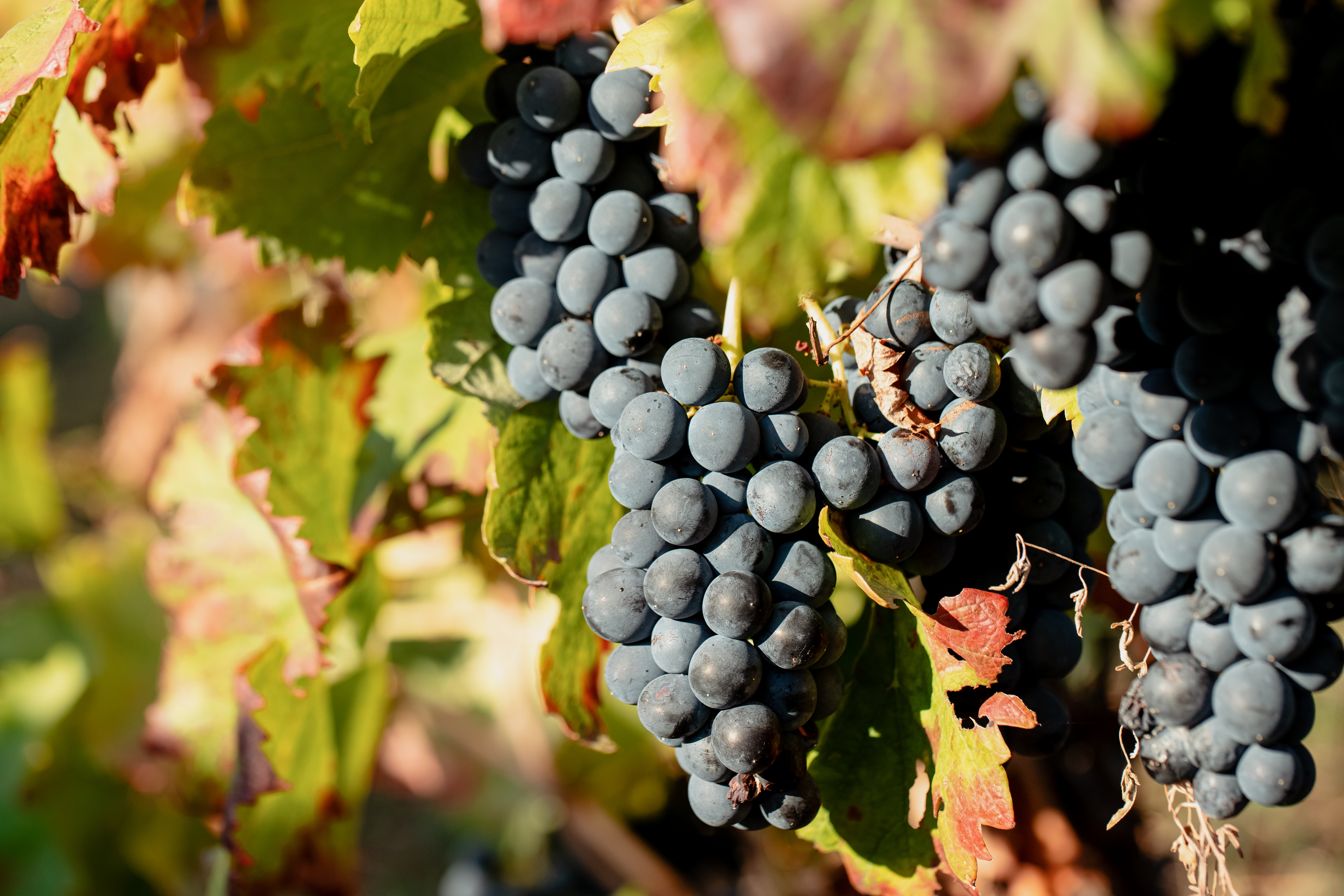
The vineyard is the main source of product quality. For this reason, Bivongi DOC growers carefully select which vines to plant according to site and soil, so that each variety can express its full aromatic, flavour and personality potential.
The environmental and cultivation conditions of vineyards used for Bivongi DOC wine production must be traditional to the area, or otherwise capable of giving the grapes and wines their specific quality characteristics.
Suitable vineyards
For registration in the vineyard register, only vineyards on well-exposed hillsides and foothills are considered suitable; valley floors and sites above 800 metres above sea level are excluded.
Planting densities, training systems—excluding expansive forms—and short, long or mixed pruning methods must be those generally used, or otherwise suitable for preserving the characteristics of the grapes and wines.
Cultivation methods
Cultivation follows principles of sustainability and low environmental impact.
The vineyards are traditionally worked by hand, benefiting both wine quality and the protection of the landscape.